 Error Tip
Genetics and Breeding Section
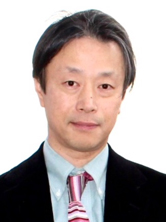
Yoichi HONDA
PhD,Professor, Graduate School of Agriculture, Kyoto University
Title:Molecular genetic approaches beyond the post-genomic era
Abstract: Nowadays, genome sequence information is available in plenty of species and post genomic
analyses are popular in variety of fungi. Along this movement, many mushroom scientists have come to face too much information or factors related to a phenomenon of their interest. It even seems that post genomics has changed the situation more difficult to eliminate unnecessary factors and elucidate fundamental mechanism for each physiological phenomenon. In this lecture, recent trials in our group to accelerate mushroom science beyond the post-genomic era using improved molecular genetic tools will be introduced. They include development of research tools both in forward and reverse genetics; a transfection system and its utilization in gene expression signal analyses in the selective white rot fungus Ceriporiopsis subvermispora, multiple gene targeting system in Pleurotus ostreatus and Coprinopsis cinerea, which can be used for knock-out of genes of interest or knock-in of reporter constructs on the
chromosome, and efficient forward genetics combined with genome information to identify new genes responsible for lignin degradation in P. ostreatus. Furthermore, our recent results in on-going genome editing experiments with CRISPR/Cas9 will be reported. These approaches will contribute to elucidate molecular mechanisms for unique processes, such as fruitbody development or wood biomass degradation. Moreover, they will be essential approaches to design order-made mushrooms from existing well-breed cultivars, which are free of heterogeneous DNA and more acceptable for the consumers and societies.
Introduction:
Yoichi Honda studied agricultural chemistry from 1983 to 1987 at Kyoto University (Japan) and went to master and doctor courses under supervision of Prof. Tohru Komano. In 1992, he has got Ph.D degree and the title of dissertation is “Initiation mechanism of DNA replication in broad host-range plasmid RSF1010”, to which a prize for young scientist was awarded from Inoue foundation. After a JSPS (Japan Society of Promotion of Science) Post-Doc fellow for one year, in 1993, he has got a position of Assistant Professor at Wood Research Institute (WRI), Kyoto University and started to work on wood rot fungi including Pleurotus ostreatus in a laboratory of Prof. Masaki Kuwahara, who found manganese peroxidase from Phanerochaete chrysosoporium. He set sail for developing a practical transformation system for P. ostreatus, and a self-cloning drug-resistant maker, cbxR, has been developed in his group. In 1998, he went to the United Kingdom in order to study with Prof. Dr. Lorna Casselton genetic transformation and mating type genes of the mushroom Coprinopsis cinerea at the University of Oxford (Department of Plant Sciences) as a JSPS-The Royal Society Research Fellow for one year. After coming back from UK, his research group published papers on molecular breeding, overexpression and protein engineering of ligninolytic enzymes, to which prizes for encouragement were awarded from Hokuto Research Foundation (2000), and Japan Society of Mushroom Science and Biotechnology (2002). In 2002, he became Associate Professor at WRI, Kyoto University and continued molecular genetic studies on ligninolytic system in P. ostreatus. In 2012, he moved to Graduate School of Agriculture, Kyoto University to be Professor in Laboratory of Forest Biochemistry, from then his research topics have extended to wider fields in basic and applied sciences of mushrooms. In 2017, he was awarded a prize from Memorial Founding Society of Dr. Kisaku Mori, and became a Guest Professor at Institute of Edible Fungi, Shanghai Academy of Agricultural Sciences (China). In 2018, he started to organize an international consortium on mushroom genetics, with a support by SPIRITS (Supporting Program for Interaction-based Initiative Team Studies) program from Kyoto University and held a satellite workshop at 9ICMBMP, Shanghai.

